Roof inspection, the whole story.
Buying a home, selling one, or just want to know where your roof stands? We inspect roofs top to bottom across Central Florida and give you a straight answer.
- ★★★★★4.8 on Google
- Licensed & insured
- No obligation
- 22+ years in business
How it works
- 01InspectionField Inspector climbs the roof and flies a drone for high-res images. Documents wind, hail, moisture, broken shingles, structural damage.
- 02AgreementInitial Agreement signed. We call your insurer with you, get a Claim Number. FL-627.7152 rights baked in.
- 03AdjustmentInsurer issues a Loss Statement. We submit a Supplement for items they missed — code requirements, overlooked materials.
- 04AddendumFinal contract: scope, conditions, warranties, pricing, full materials list, your color choices.
Quality Plus Roofing & Solar inspects roofs across Central Florida for homeowners who want a clear read on where things stand, whether that's before buying a home, ahead of a sale, or just to plan for the future. In 22 years of doing this, we've learned that most roof problems are judged up close, not from the driveway, so every inspection means getting on the roof and into the attic. You get a straight answer about the roof's condition and what, if anything, needs to happen next.
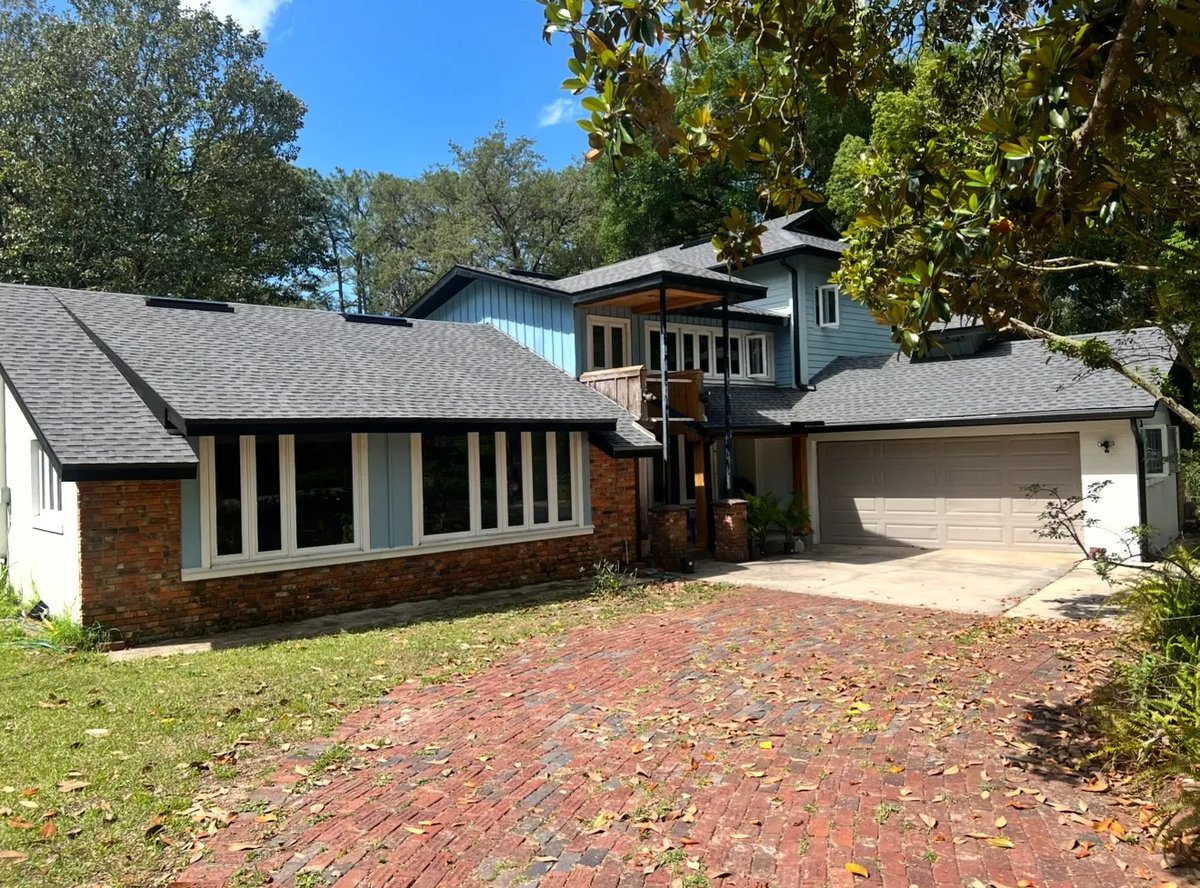
Not sure whether your roof needs attention or just needs watching?
An inspection settles that question directly. We check the shingles, flashing, and the attic side for the kind of wear that isn't visible from the ground, things like granule loss, cracked pipe boots, or early signs of decking damage. Some of what we find needs immediate attention, some of it is worth keeping an eye on, and some roofs check out fine. Either way, you walk away with a clear picture instead of a guess, which matters whether you're buying, selling, or just planning ahead for a roof that's getting up there in age.
When it's worth scheduling an inspection
The roof is aging toward the end of its expected life
Most asphalt shingle roofs are replaced somewhere in their second or third decade, sooner in Florida's sun and heat. An inspection gives you an honest read on remaining life so you can plan a replacement on your own schedule.
A recent storm rolled through the area
Hail and wind damage aren't always visible from the ground, and insurance policies limit how long after a storm a claim can be filed. A documented inspection settles whether there's damage worth reporting.
You're buying or selling a home
A roof inspection gives buyers and sellers a clear, documented picture of the roof's condition before it becomes a point of negotiation or a surprise after closing.
Granules are collecting in the gutters
Granule buildup can mean normal aging or hail bruising depending on the pattern. An inspection tells the two apart and explains what it means for the roof's remaining life.
What the inspection actually checks
Shingle condition across every slope
We look for curling, cracking, granule loss, and any spots where the seal has failed, checking the sunniest slopes first since aging tends to show up there earliest.
Flashing and every roof penetration
Chimneys, skylights, vents, and wall transitions are where most leaks actually start, so every flashing line gets checked, not just the shingle field.
The attic side of the roof deck
Staining, daylight, or soft spots on the underside of the decking often show problems before they're visible from outside.
Ventilation and moisture in the attic
Poor attic ventilation shortens the life of the roof above it and can mimic a leak. If we find it, we'll flag it as part of the report, and our Residential Roofing team can address it during a future repair or re-roof.
What to expect during an inspection
We walk the full roof surface and check every slope, flashing line, and penetration, then head into the attic to look at the decking and ventilation from below. Everything gets documented with photos. Once we're done, we sit down with you and go over what we found in plain terms, including whether there's anything worth addressing now, anything worth monitoring, or nothing at all. If there's storm damage or a claim-worthy issue, we'll walk you through what that process looks like next.
Related services you may need
If the inspection turns up damage or wear that needs fixing, our Roof Repair team handles targeted fixes, and our Residential Roofing team steps in when a full replacement makes more sense. Commercial property owners can also request the same thorough process through our Commercial Roofing service.
The cost of skipping an inspection
Small issues that would be caught in an inspection, a lifted shingle, a cracking pipe boot, a soft spot in the decking, tend to get worse quietly until they show up as a leak inside the house. By the time water is visible on a ceiling, it's often been getting in for a while, and the repair needed is bigger than it would have been if it were caught early. For buyers and sellers, skipping the inspection can also mean a roof issue becomes a surprise at closing instead of something negotiated up front.
How often should a roof be inspected?
Most roofs benefit from an inspection every couple of years, or sooner after a significant storm or if the roof is approaching the end of its expected service life. Homes changing ownership should also get one before the sale closes.
What does a roof inspection report actually tell me?
It tells you the current condition of the shingles, flashing, and decking, along with any specific problems found and how urgent they are. A good report separates what needs attention now from what's just worth watching, so you're not left guessing at what the findings actually mean.
Is a roof inspection free?
Whether an inspection is free depends on the situation. It's best to ask directly when scheduling, since it can vary based on whether the visit leads to repair or replacement work.
If you want an honest read on your roof's condition, whether you're buying, selling, or just curious, give us a call. We inspect roofs across Central Florida and tell you exactly what we find.
Ready when you are.
A free inspection with photos, and a straight answer on what to do next.
What homeowners say about roof inspection.
“I highly recommend this roofing company — they truly deserve all 5 stars. From start to finish, the service was professional, reliable, and efficient.…”
“The best service in town.”
“The pricing was great and the work impeccable.”
“I would recommend Quality Plus Roofing to anyone. In fact they did my brother's AND sister's roofs.”
“Very professional. In fact, my yard was cleaner when they left than it had been when they got there. Plus very happy with their work.”
“My home is literally cleaner than when they got there!”
“I highly recommend this roofing company — they truly deserve all 5 stars. From start to finish, the service was professional, reliable, and efficient.…”
“The best service in town.”
“The pricing was great and the work impeccable.”
“I would recommend Quality Plus Roofing to anyone. In fact they did my brother's AND sister's roofs.”
“Very professional. In fact, my yard was cleaner when they left than it had been when they got there. Plus very happy with their work.”
“My home is literally cleaner than when they got there!”
“I highly recommend this roofing company — they truly deserve all 5 stars. From start to finish, the service was professional, reliable, and efficient.…”
“The best service in town.”
“The pricing was great and the work impeccable.”
“I would recommend Quality Plus Roofing to anyone. In fact they did my brother's AND sister's roofs.”
“Very professional. In fact, my yard was cleaner when they left than it had been when they got there. Plus very happy with their work.”
“My home is literally cleaner than when they got there!”
“I highly recommend this roofing company — they truly deserve all 5 stars. From start to finish, the service was professional, reliable, and efficient.…”
“The best service in town.”
“The pricing was great and the work impeccable.”
“I would recommend Quality Plus Roofing to anyone. In fact they did my brother's AND sister's roofs.”
“Very professional. In fact, my yard was cleaner when they left than it had been when they got there. Plus very happy with their work.”
“My home is literally cleaner than when they got there!”
- Whether your roof needs a full replacement or a targeted repair, Quality Plus Roofing & Solar delivers professional service, high-quality materials, and workmanship you can count on for life.