
Storm and hail damage, handled right.
After a Central Florida storm rolls through, we document the damage, walk you through the claim, and get the repair or replacement done right.
- ★★★★★4.8 on Google
- Licensed & insured
- No obligation
Get a Roof Estimate in 60 Seconds
“I noticed another neighbor having a roof done and I understood that hers was being replaced because of the hail storms and I thought we had damaged too.”
- 22+ years in business
How it works
- 01InspectionField Inspector climbs the roof and flies a drone for high-res images. Documents wind, hail, moisture, broken shingles, structural damage.
- 02AgreementInitial Agreement signed. We call your insurer with you, get a Claim Number. FL-627.7152 rights baked in.
- 03AdjustmentInsurer issues a Loss Statement. We submit a Supplement for items they missed — code requirements, overlooked materials.
- 04AddendumFinal contract: scope, conditions, warranties, pricing, full materials list, your color choices.
Why the timing matters after a storm
Insurance policies have a window to report storm damage, and hail bruising is easiest to document in the first few weeks before weather wears it in. An inspection now costs nothing and gives you dated photos either way.
Quality Plus Roofing & Solar documents and repairs wind and hail damage for homeowners across Central Florida, and after 22 years in the business we know that storm damage isn't always obvious from the driveway. Hail bruises shingles and knocks granules loose without leaving anything dramatic to see from the ground, and wind can lift and crease shingles just enough to cause a leak in the next rain without tearing anything off outright. We inspect, document with photos, and handle the claim conversation with your carrier where insurance is involved.
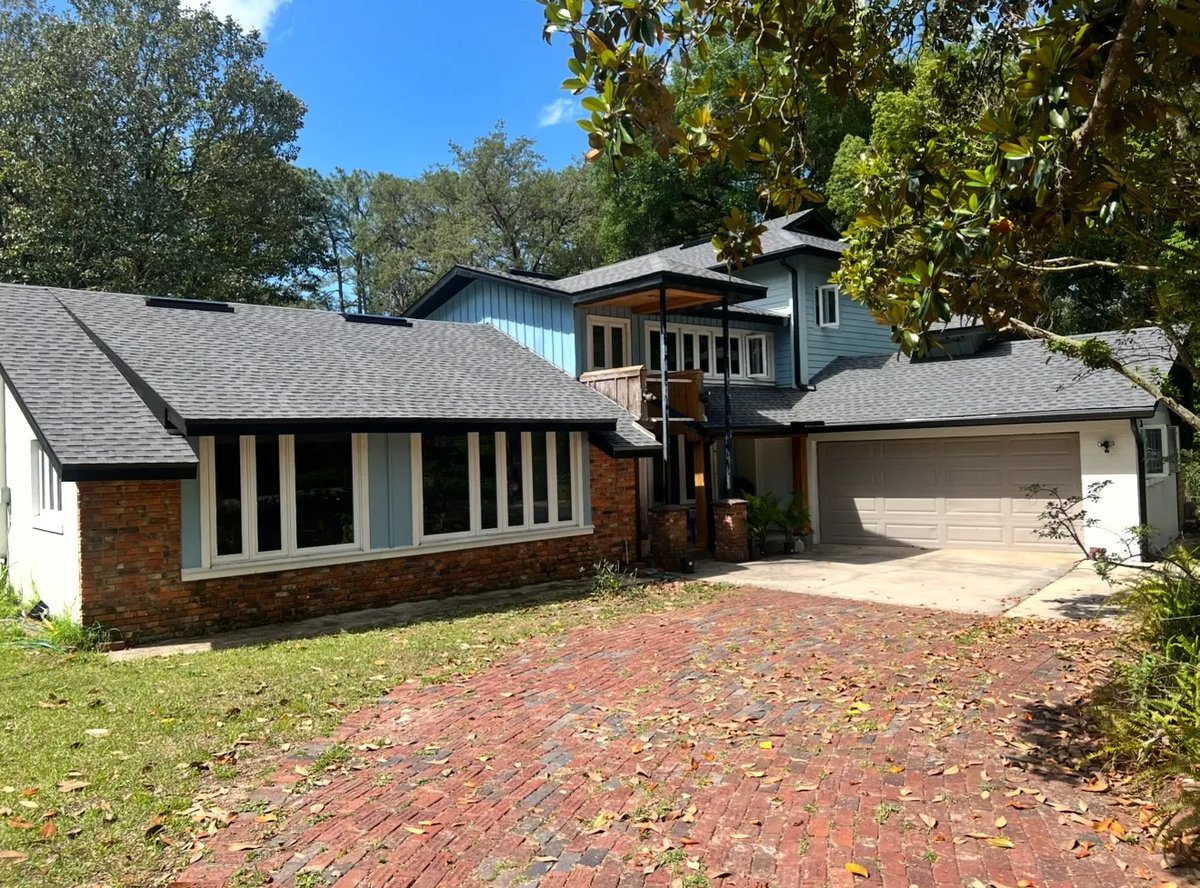
Did a recent storm leave your roof looking fine from the ground but you're not so sure up close?
That's exactly the situation storm damage inspections are built for. Hail damage in particular is easy to miss because it bruises the shingle mat and knocks granules loose without an obvious tear or hole, and wind damage often shows up as creased or unsealed shingles rather than missing ones. Both types of damage are time-sensitive from an insurance standpoint, since most policies limit how long after a storm you can file a claim. Getting a documented inspection soon after the storm settles the question of whether there's damage worth reporting.
Signs of storm damage worth checking
Soft spots or dents in gutters, vents, or AC fins
Hail bruises soft metal the same way it bruises shingles, so damage to gutters, vents, and AC fins is often a visible clue that the roof took a hit too, even when the shingles look fine from a distance.
Granules piling up at the downspouts after a storm
A sudden increase in granules right after a storm, rather than gradual buildup over years, points to hail impact knocking the protective coating loose.
Shingles that are creased or lifted along the edges
Wind gets under the leading edge of a shingle and either creases it or tears the seal loose. A creased shingle won't reseal on its own and will leak the next time it rains hard.
A hole or soft spot from fallen debris
A falling limb can punch through shingles and underlayment and crack the decking underneath, even when the surrounding roof looks intact.
What we look for and document
Hail bruising across each slope
We walk and photograph every slope, checking for soft spots and granule loss the same way an insurance adjuster would test each section.
Wind-lifted or missing shingles
We lift-test shingles along the edges and ridge, counting creased, torn, and missing pieces to get an accurate picture of how far the damage spread.
Impact damage to decking
When debris has punched through the roofing material, we check the decking and framing from the attic side, since a cracked board underneath needs to be replaced as part of the repair.
Damage severe enough to need a full replacement
When wind or hail damage covers most of the roof rather than a section or two, our Residential Roofing team handles the full tear-off and re-roof instead of patching each spot separately.
What to expect during a storm damage visit
We inspect and photograph every slope of the roof along with the gutters, vents, and any soft metal that took a hit, checking for collateral damage on siding or screens while we're at it. If there's an active leak or an impact hole, we'll tarp it to stop water from getting in before doing anything else. Once the inspection is done, we tell you plainly whether there's damage worth a claim, and if there is, we walk through what the insurance process looks like, including our role in documenting the scope and talking directly with the carrier.
Related services you may need
If the damage turns out to be isolated, our Roof Repair team can fix it directly. When the damage is spread across the roof, our Residential Roofing service covers the full replacement, and commercial properties can get the same documented process through our Commercial Roofing team.
The cost of waiting to report storm damage
Storm damage that goes unreported for too long can start to look like ordinary wear and tear rather than storm impact, which makes an insurance claim harder to support. Meanwhile, creased or bruised shingles left in place keep failing a little more with every rain that follows, turning what might have been a covered repair into a bigger out-of-pocket job. Getting the roof documented soon after a storm protects both your insurance claim and the roof itself.
How do I know if my roof has hail or wind damage?
Hail and wind damage are usually only visible up close, not from the ground, which is why a documented inspection after a storm is the reliable way to know for sure. Signs include bruised or bald spots on shingles, dented soft metal like vents and gutters, and shingles that are creased or lifted along the edges.
Will insurance cover storm damage roof repair?
Coverage depends on your specific policy and the cause of the damage, but wind and hail are commonly covered events. We document damage thoroughly and can help walk through the claim.
How long do I have to file a storm damage claim?
Filing windows vary by policy, so it's worth checking your specific coverage, but most insurers set a limit on how long after a storm a claim can be filed. That's part of why getting an inspection soon after a storm matters, even if the roof looks fine from the ground.
If a storm just came through your part of Central Florida, get your roof checked before the damage becomes a bigger problem. We inspect, document, and help you through the claim, wherever in the region you're located.
Ready when you are.
A free inspection with photos, and a straight answer on what to do next.
What homeowners say about roof storm & hail damage.
“THEY DID GREAT ON MY NEW ROOF!!!! I love the team over here, treated me and my family wonderful from start to finish. They were able to have my insurance company pay for a full roof replacement on my tile roof.…”
“I highly recommend this roofing company — they truly deserve all 5 stars. From start to finish, the service was professional, reliable, and efficient.…”
“The best service in town.”
“The pricing was great and the work impeccable.”
“I would recommend Quality Plus Roofing to anyone. In fact they did my brother's AND sister's roofs.”
“Very professional. In fact, my yard was cleaner when they left than it had been when they got there. Plus very happy with their work.”
“THEY DID GREAT ON MY NEW ROOF!!!! I love the team over here, treated me and my family wonderful from start to finish. They were able to have my insurance company pay for a full roof replacement on my tile roof.…”
“I highly recommend this roofing company — they truly deserve all 5 stars. From start to finish, the service was professional, reliable, and efficient.…”
“The best service in town.”
“The pricing was great and the work impeccable.”
“I would recommend Quality Plus Roofing to anyone. In fact they did my brother's AND sister's roofs.”
“Very professional. In fact, my yard was cleaner when they left than it had been when they got there. Plus very happy with their work.”
“THEY DID GREAT ON MY NEW ROOF!!!! I love the team over here, treated me and my family wonderful from start to finish. They were able to have my insurance company pay for a full roof replacement on my tile roof.…”
“I highly recommend this roofing company — they truly deserve all 5 stars. From start to finish, the service was professional, reliable, and efficient.…”
“The best service in town.”
“The pricing was great and the work impeccable.”
“I would recommend Quality Plus Roofing to anyone. In fact they did my brother's AND sister's roofs.”
“Very professional. In fact, my yard was cleaner when they left than it had been when they got there. Plus very happy with their work.”
“THEY DID GREAT ON MY NEW ROOF!!!! I love the team over here, treated me and my family wonderful from start to finish. They were able to have my insurance company pay for a full roof replacement on my tile roof.…”
“I highly recommend this roofing company — they truly deserve all 5 stars. From start to finish, the service was professional, reliable, and efficient.…”
“The best service in town.”
“The pricing was great and the work impeccable.”
“I would recommend Quality Plus Roofing to anyone. In fact they did my brother's AND sister's roofs.”
“Very professional. In fact, my yard was cleaner when they left than it had been when they got there. Plus very happy with their work.”
- Whether your roof needs a full replacement or a targeted repair, Quality Plus Roofing & Solar delivers professional service, high-quality materials, and workmanship you can count on for life.